
the blog
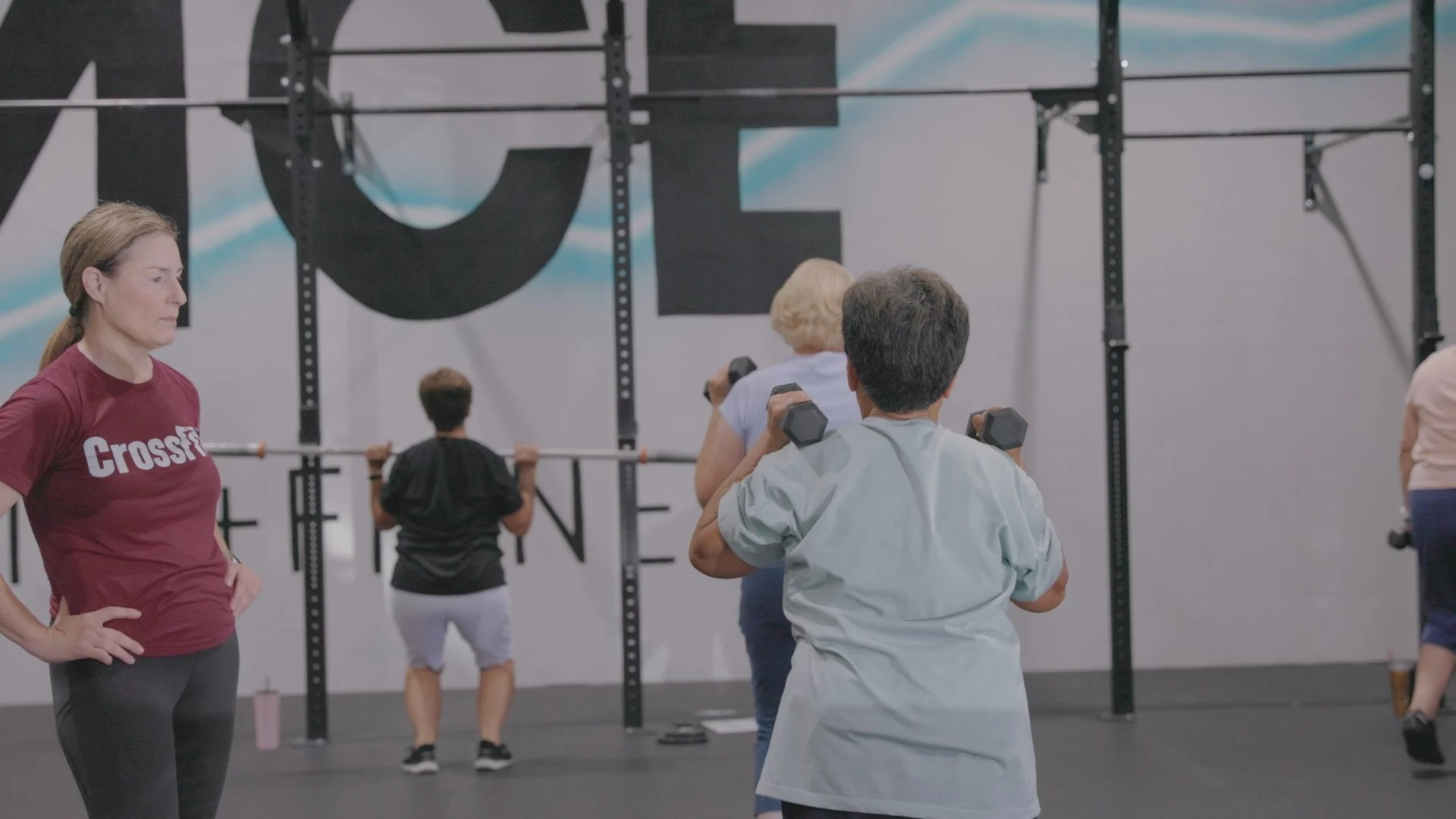
How to Improve Balance After 60: A Science-Based Guide to Staying Steady
Balance after 60 can be meaningfully improved through targeted training that addresses its three underlying systems: the vestibular system (inner ear), the visual system, and the proprioceptive system (sensory feedback from muscles and joints). Progressive strength training, single-leg exercises, and varied movement challenges all contribute to better balance and significantly reduced fall risk.

Exercise and Bone Density After Menopause: What Works and Why
Weight-bearing exercise, particularly progressive resistance training, is the most effective non-pharmacological intervention for maintaining and improving bone density after menopause. The mechanical stress that bone experiences during strength training stimulates bone-forming cells, slowing density loss and in some cases reversing it.
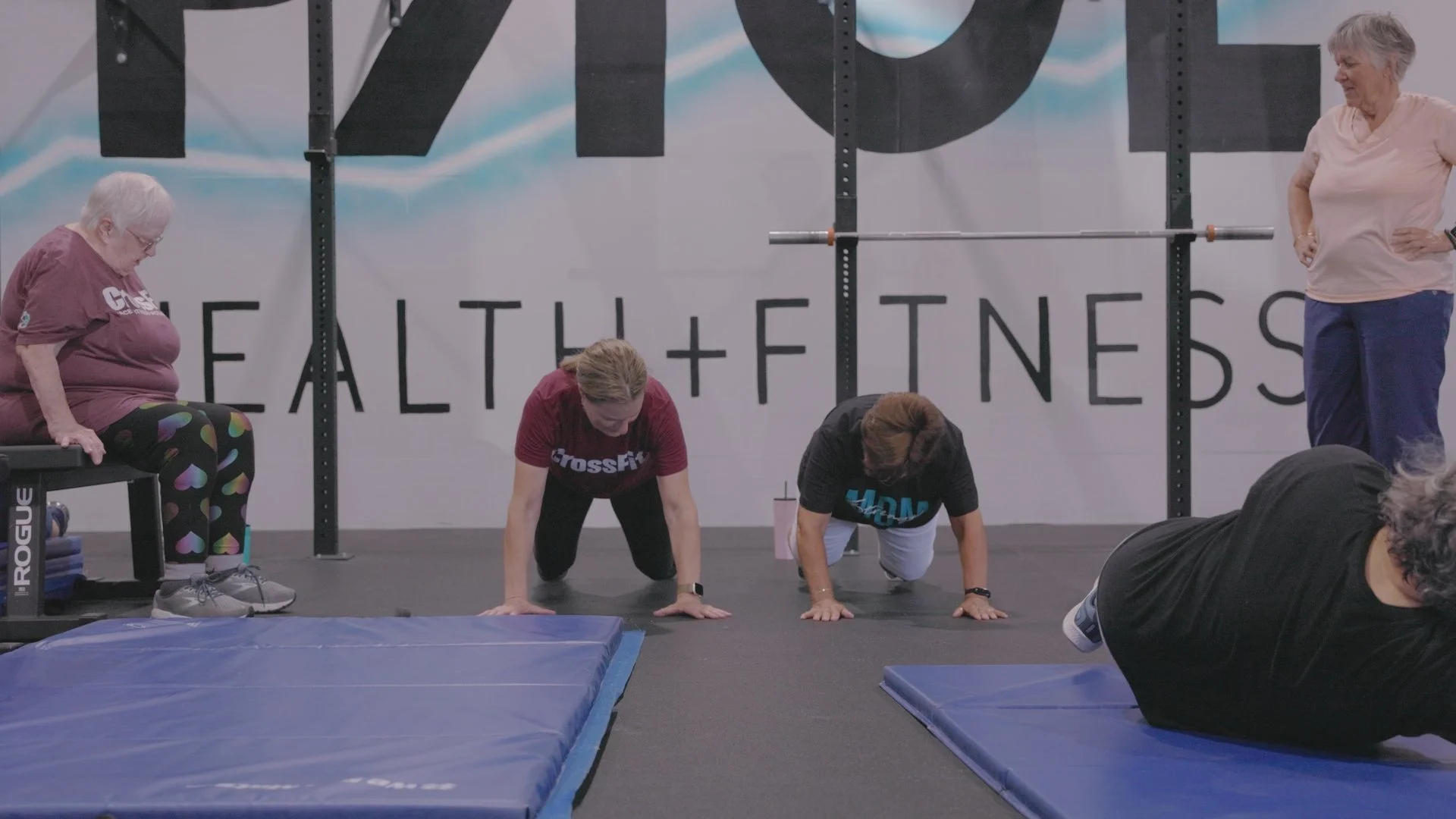
How to Prevent Falls After 60: The Exercise Science Behind Staying Upright
The most effective way to prevent falls after 60 is a combination of strength training (particularly for the lower body and core), balance and proprioception training, and exercises that develop power — the ability to react quickly when balance is disrupted. Research shows this approach can reduce fall incidence by 20–40% in older adults.
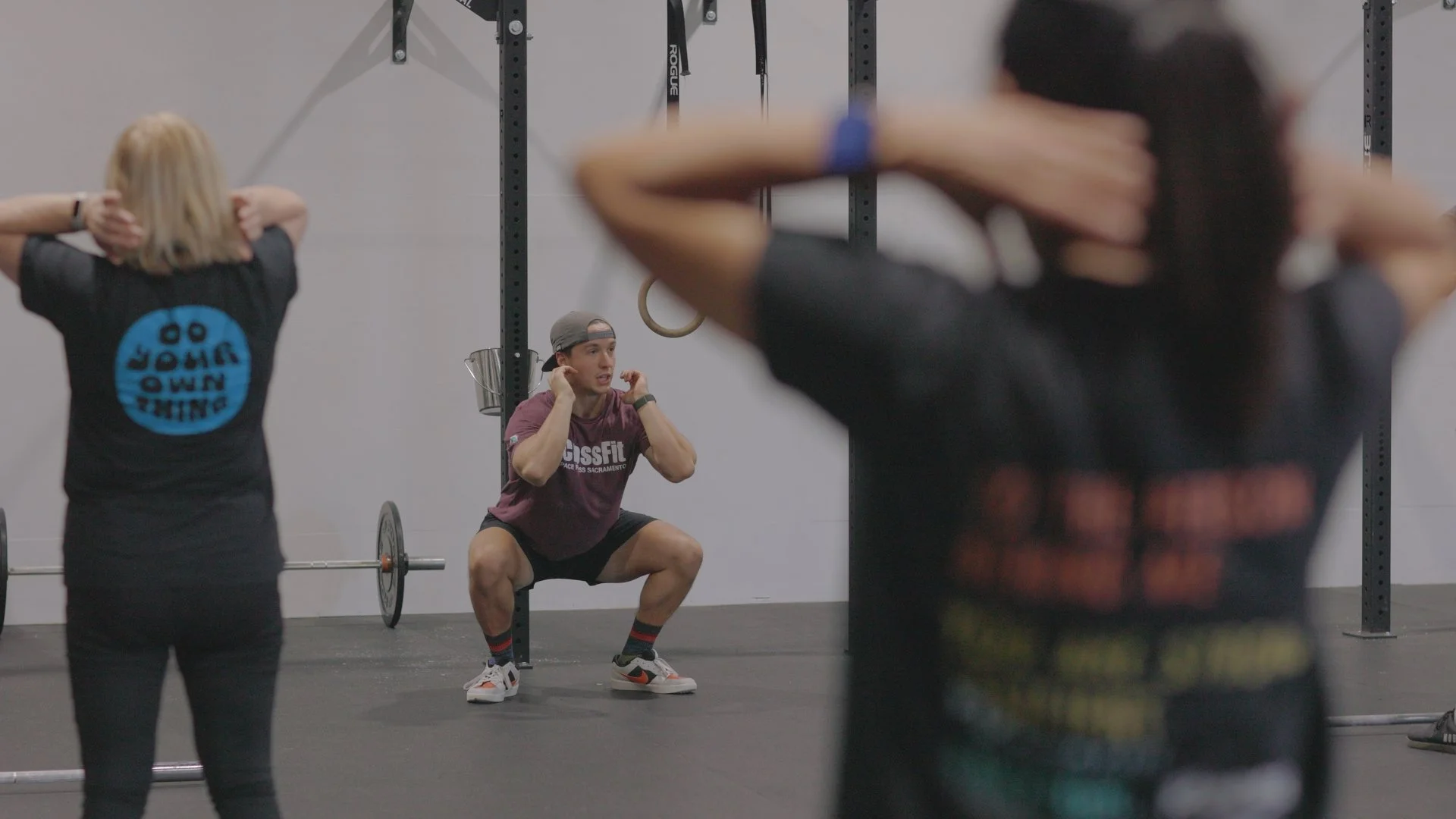
Strength Training for Adults Over 60: What It Is, Why It Matters, and How to Do It Safely
Strength training for adults over 60 involves progressively challenging the muscles with resistance to stimulate adaptation — building muscle mass, improving bone density, enhancing balance, supporting metabolic health, and preserving the functional independence that makes everyday life manageable and meaningful.
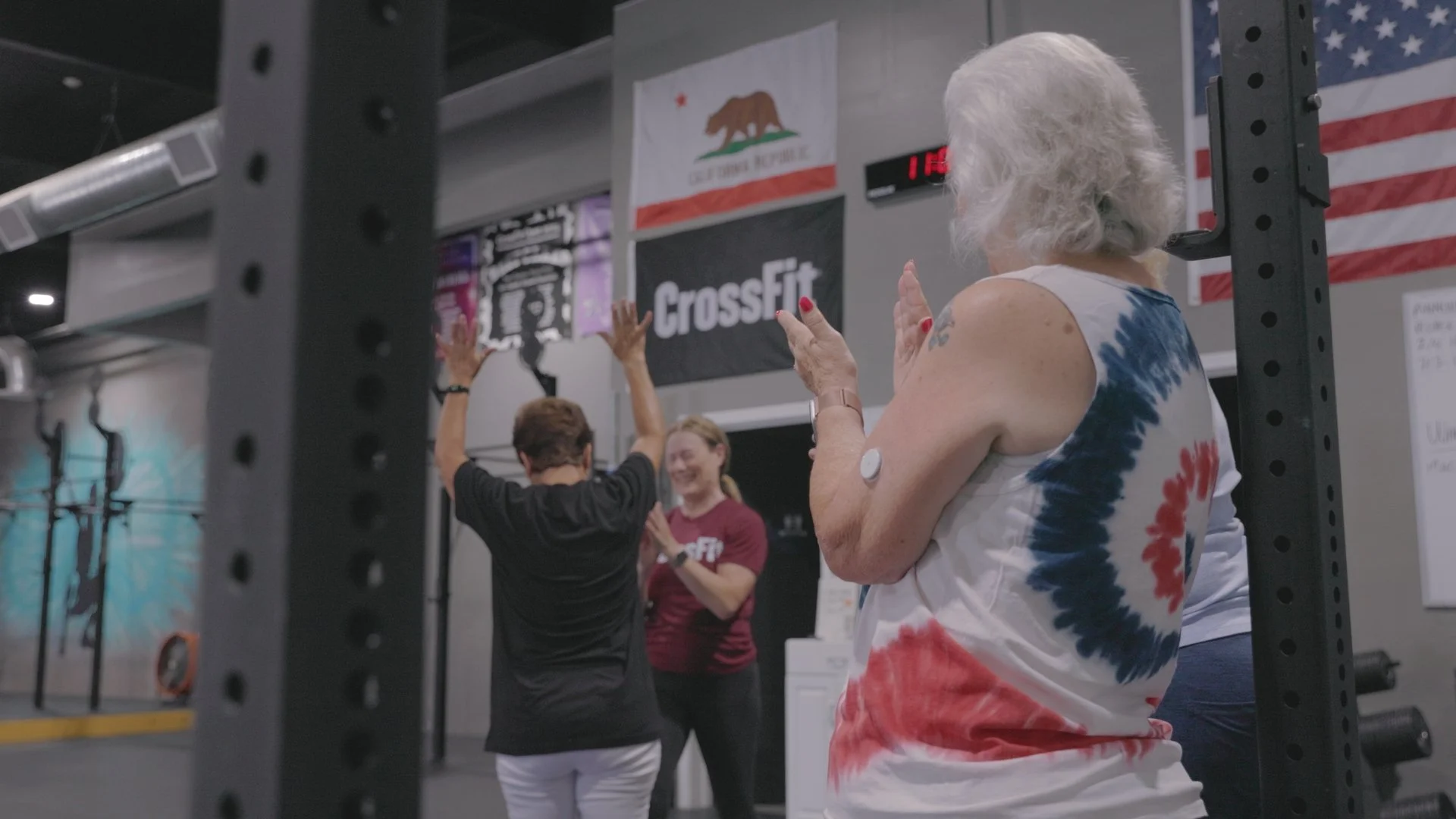
Is It Too Late to Get Fit After 55? What the Science Actually Says
No, it is not too late to get fit after 55. Decades of research demonstrate that older adults respond robustly to exercise training — building muscle, improving cardiovascular health, increasing bone density, and reducing fall risk — at 55, 65, 75, and beyond. The biology of adaptation does not have an expiration date.
Exercise With Arthritis After 60: What the Research Shows and How to Train Safely
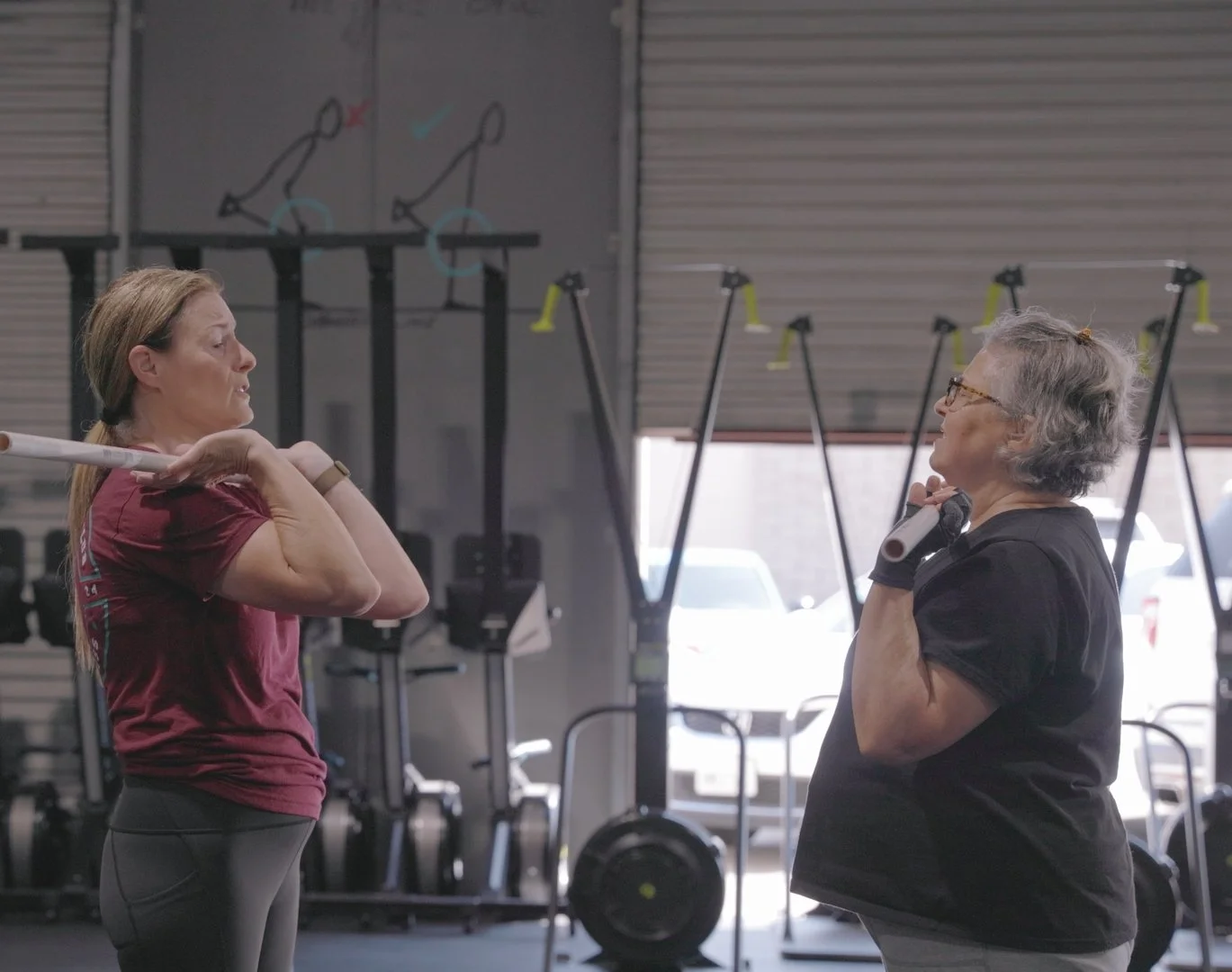
Regular exercise is one of the most effective treatments for osteoarthritis in older adults. Research consistently shows that appropriate physical activity reduces arthritis pain, improves joint function, builds the muscle that protects arthritic joints, and often reduces the need for pain medication — without worsening joint damage when performed correctly.
Nutrition for Adults Over 60: What Your Body Actually Needs and Why It Changes
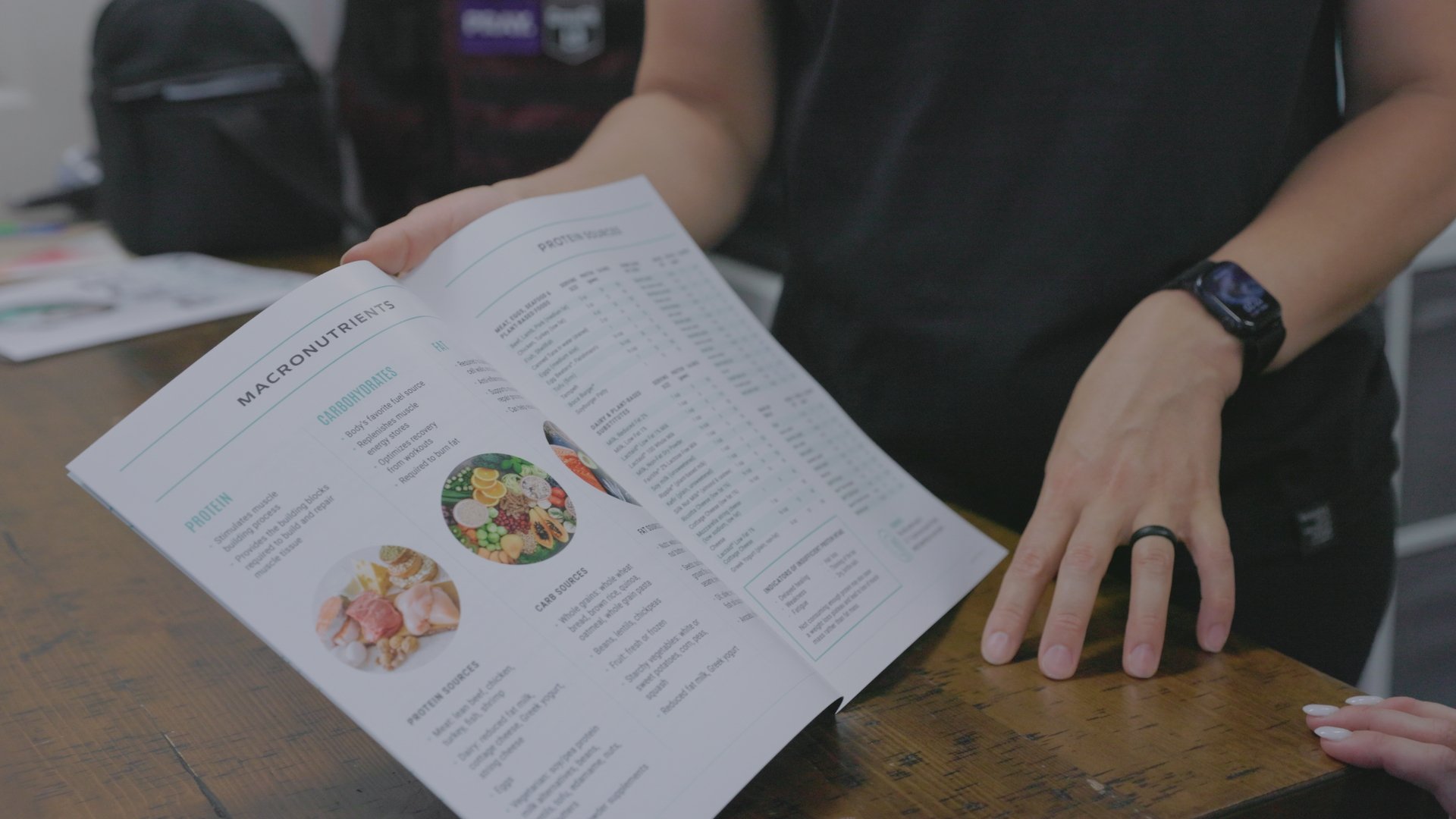
Adults over 60 have specific nutritional needs that shift from middle age: higher protein requirements per unit of body weight (to maintain muscle mass), increased calcium and vitamin D needs (to support bone health), and heightened attention to micronutrient density as caloric needs may slightly decrease. Understanding these changes is essential for supporting training outcomes and long-term health.
How Exercise Improves Sleep After 60: The Science of Rest and Recovery
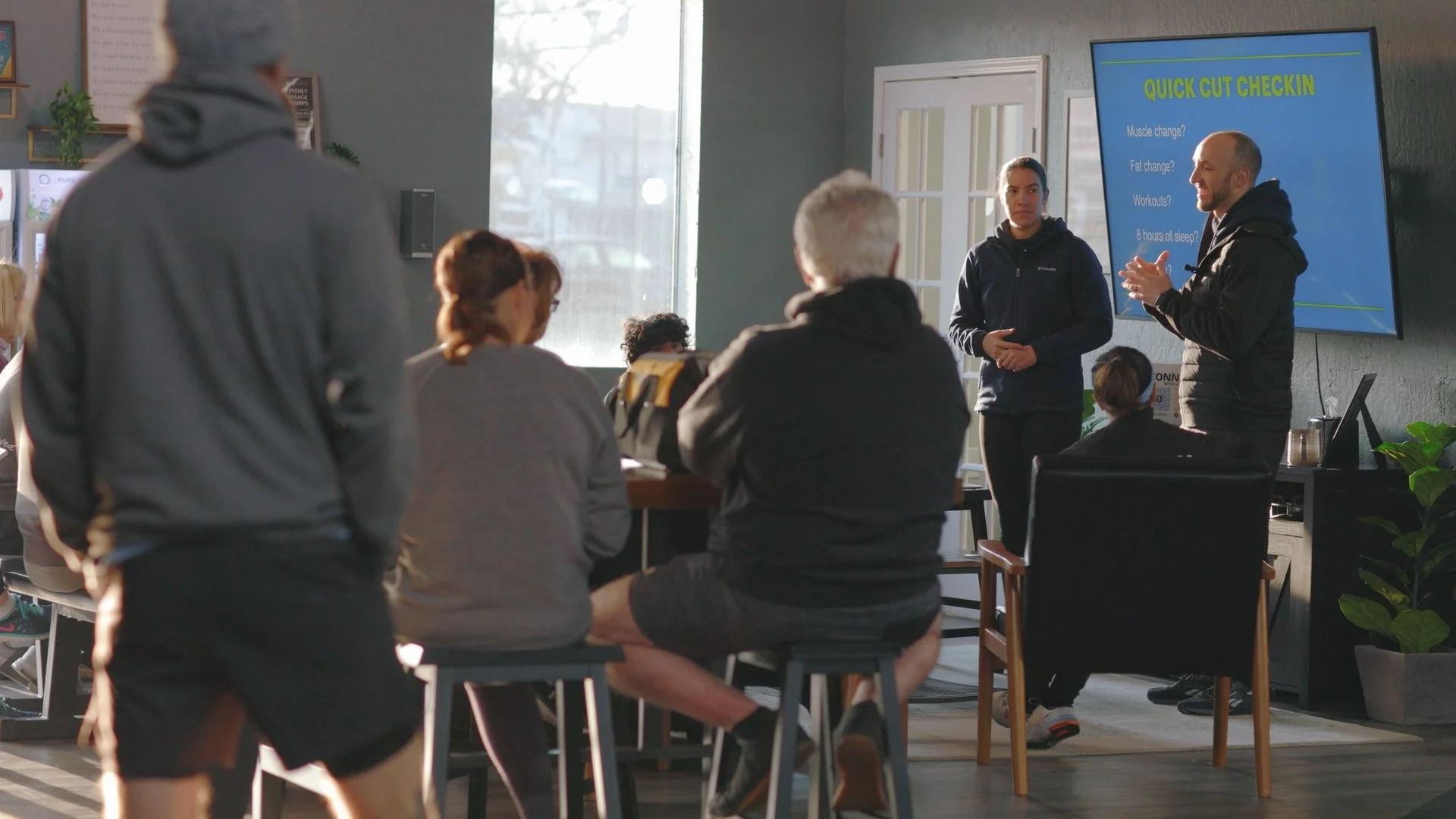
Regular physical exercise significantly improves sleep quality in adults over 60 by reducing the time to fall asleep, increasing total sleep time, improving sleep efficiency, and increasing the proportion of time spent in deep, restorative sleep stages. Both aerobic exercise and resistance training produce these effects, with benefits appearing within 4–8 weeks of beginning a consistent program.
Exercise and Heart Health After 60: What the Research Shows and How to Train Safely
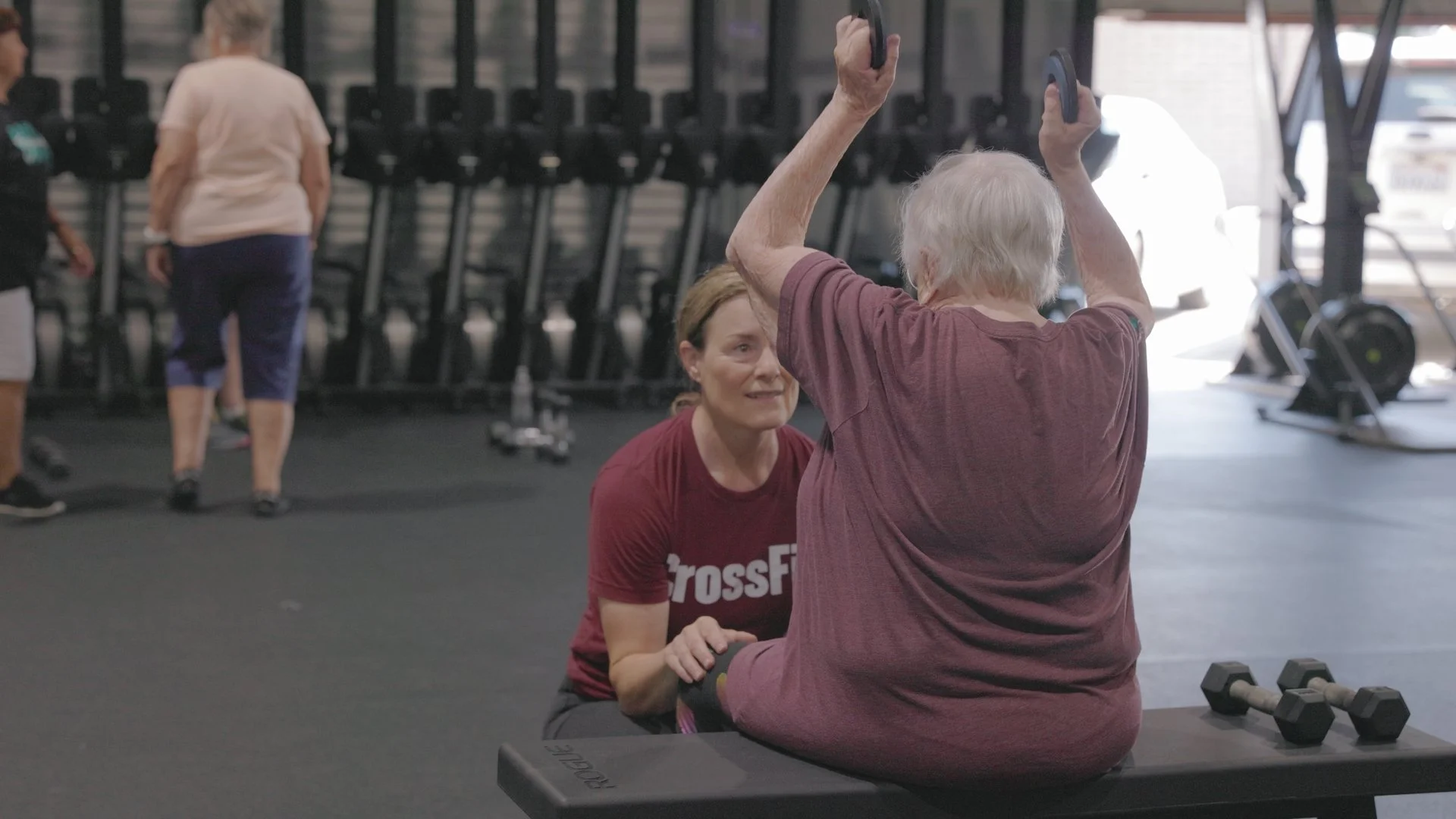
Cardiovascular exercise after 60 — both aerobic activity and resistance training — significantly reduces the risk of heart disease, improves blood pressure, improves lipid profiles, and enhances cardiac function. Adults who begin exercising in later life show substantial cardiovascular risk reduction within months, even if they have been sedentary for years.
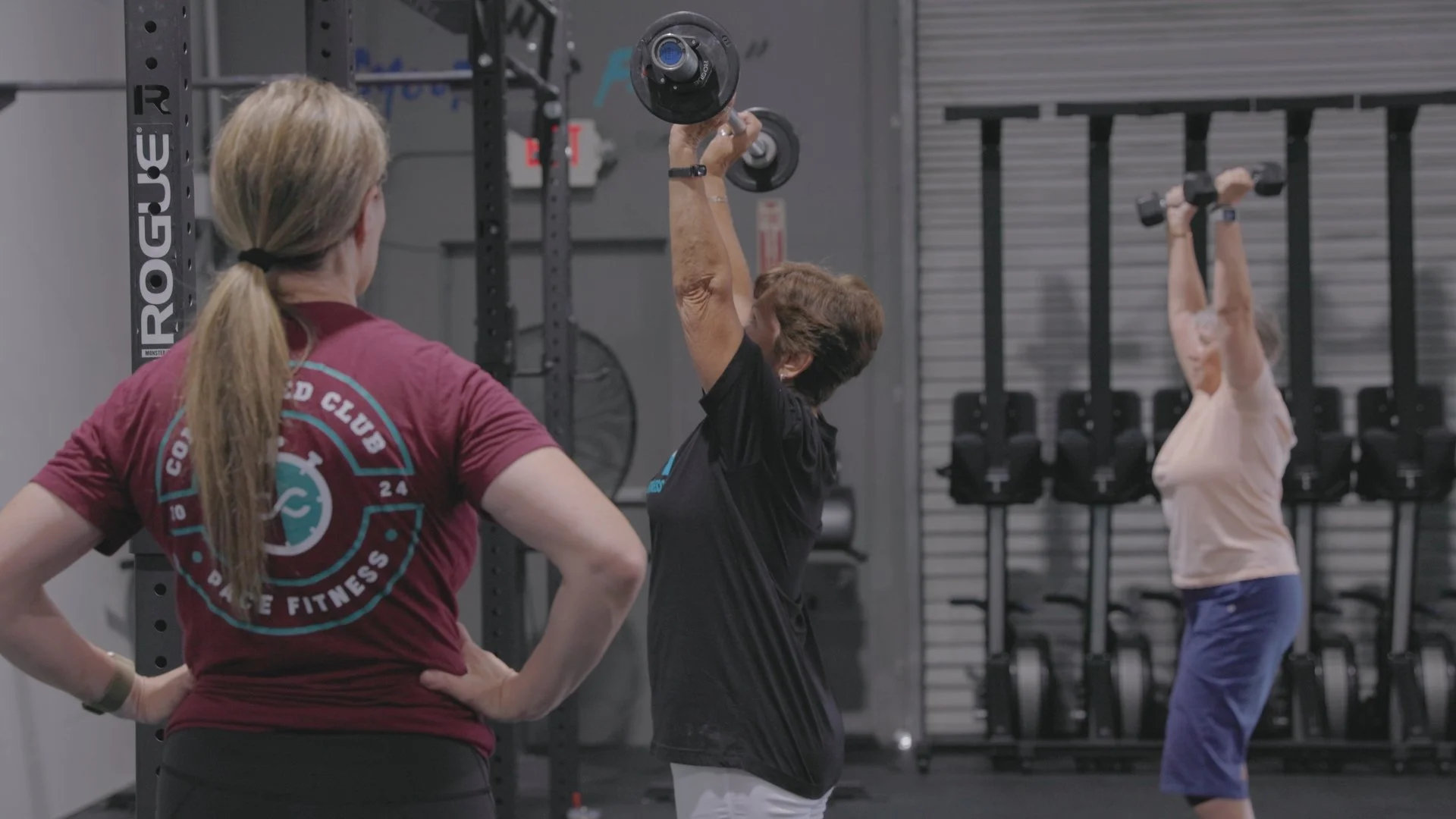
Why Strength Training Is Not Optional: What the Research Actually Says
Strength training is a form of exercise where muscles are challenged against resistance to produce adaptation. Research consistently shows it improves cardiovascular health, bone density, insulin sensitivity, mental health, body composition, and functional independence — making it essential for virtually every adult, not just those who want to look strong.
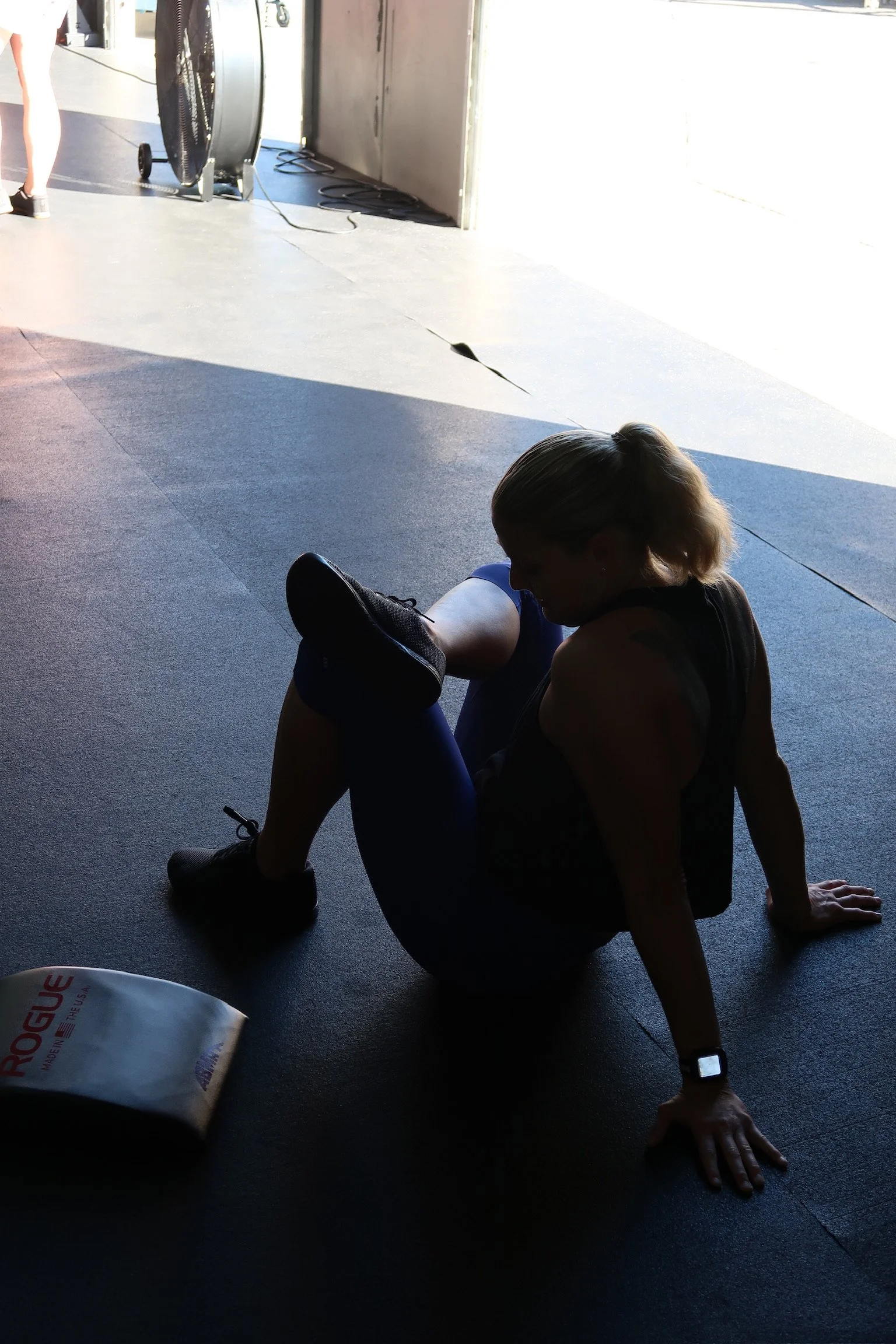
What Is Recovery in Fitness? The Complete Guide to the Part Most People Skip
Recovery is the biological process by which your body repairs muscle tissue, restores energy systems, consolidates neurological adaptations, and prepares for the next training stimulus. It happens between workouts — not during them. This makes recovery not the absence of training, but an essential component of it.
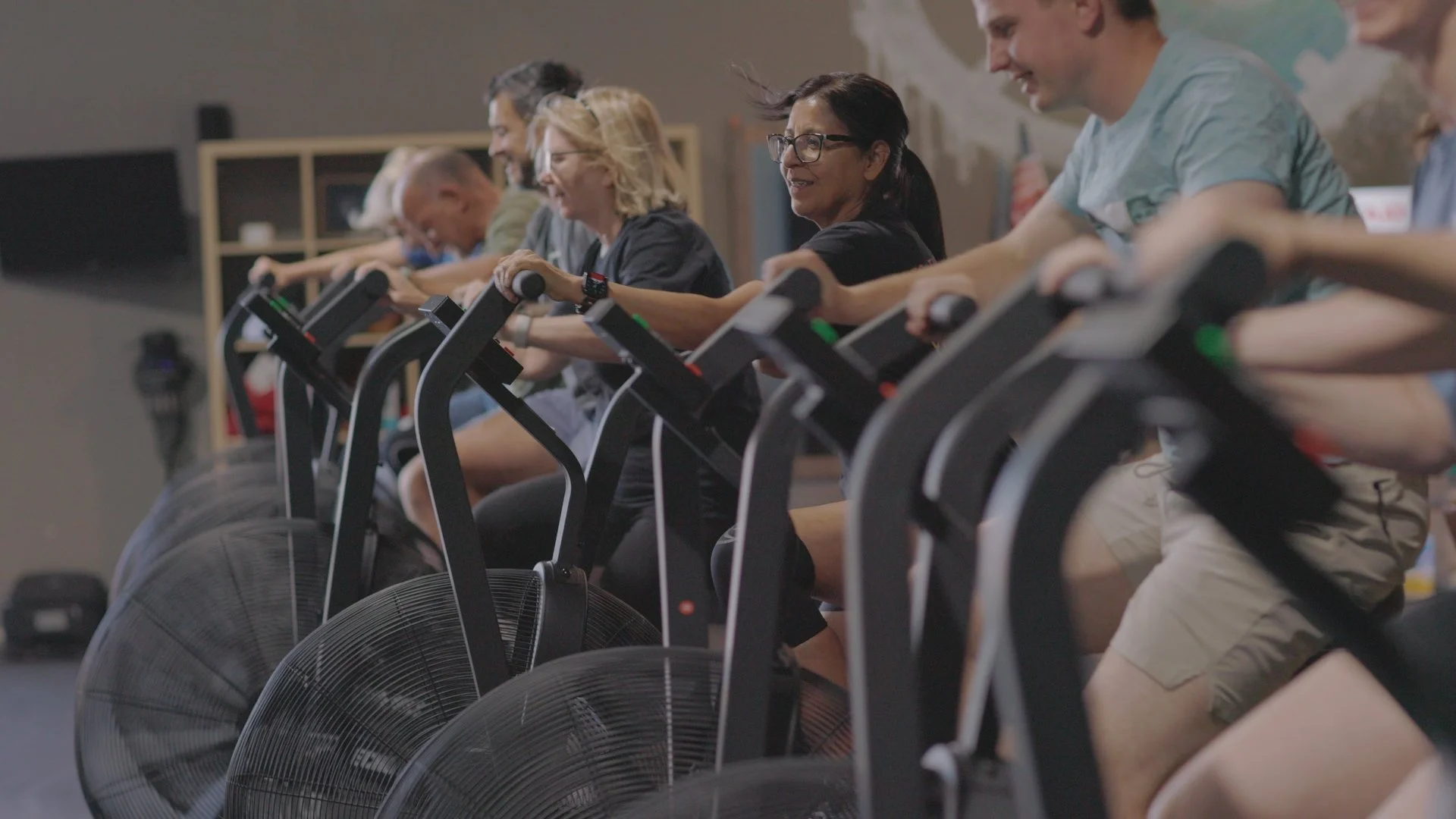
Aerobic vs. Anaerobic Exercise: What's the Difference and Why Do Both Matter?
Aerobic exercise uses oxygen to fuel sustained, moderate-intensity effort over time. Anaerobic exercise is intense, short-duration effort that outpaces your body's oxygen supply. Complete fitness requires training both — and CrossFit at Pace Sacramento is specifically designed to develop both simultaneously.
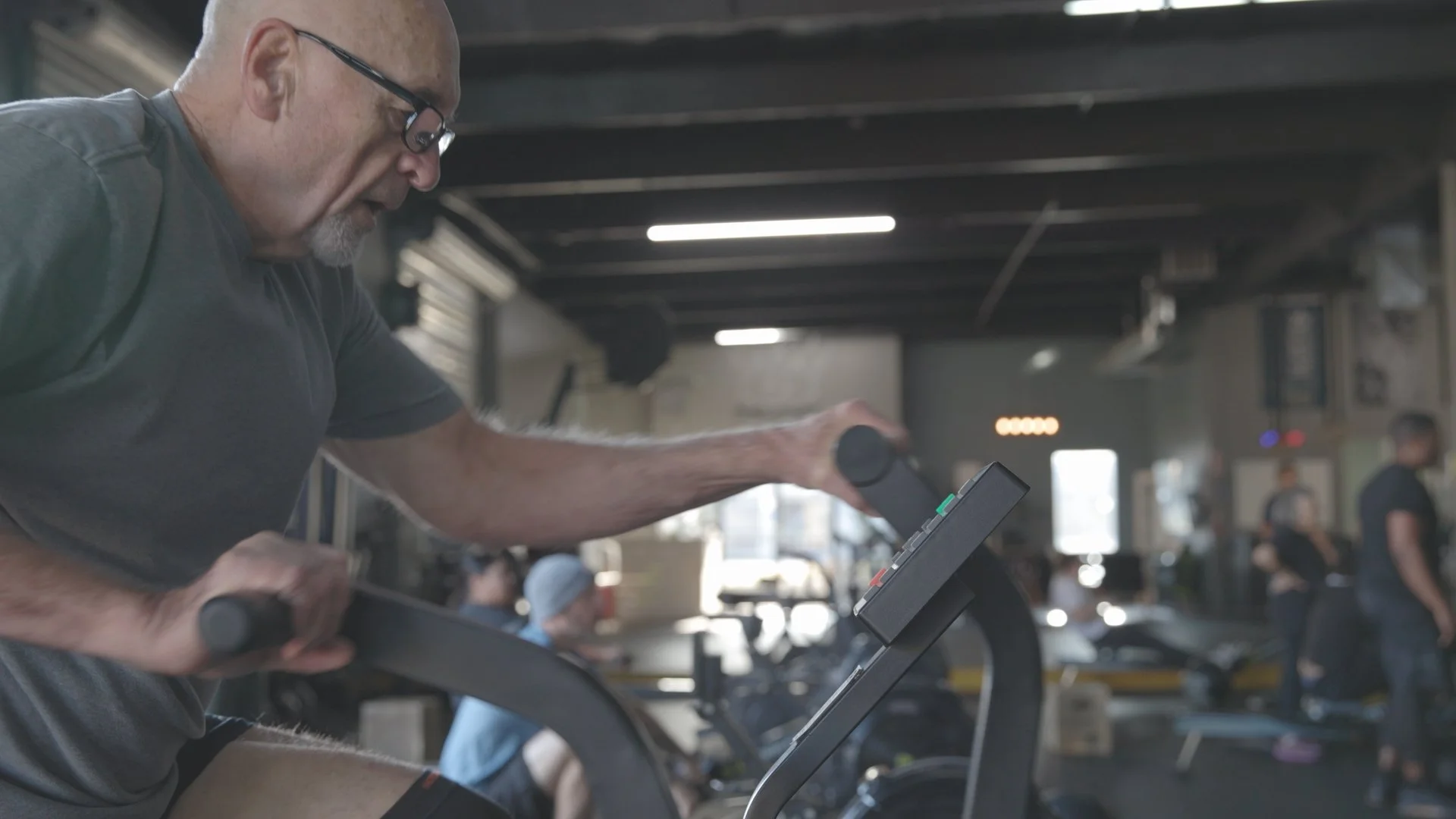
Why You Keep Starting Over With Fitness (And What to Actually Do About It)
Most people restart their fitness journey repeatedly not because of weak willpower or lack of discipline, but because they were using programs built around short-term motivation rather than long-term education and community. Motivation runs out. Knowledge and belonging don't.
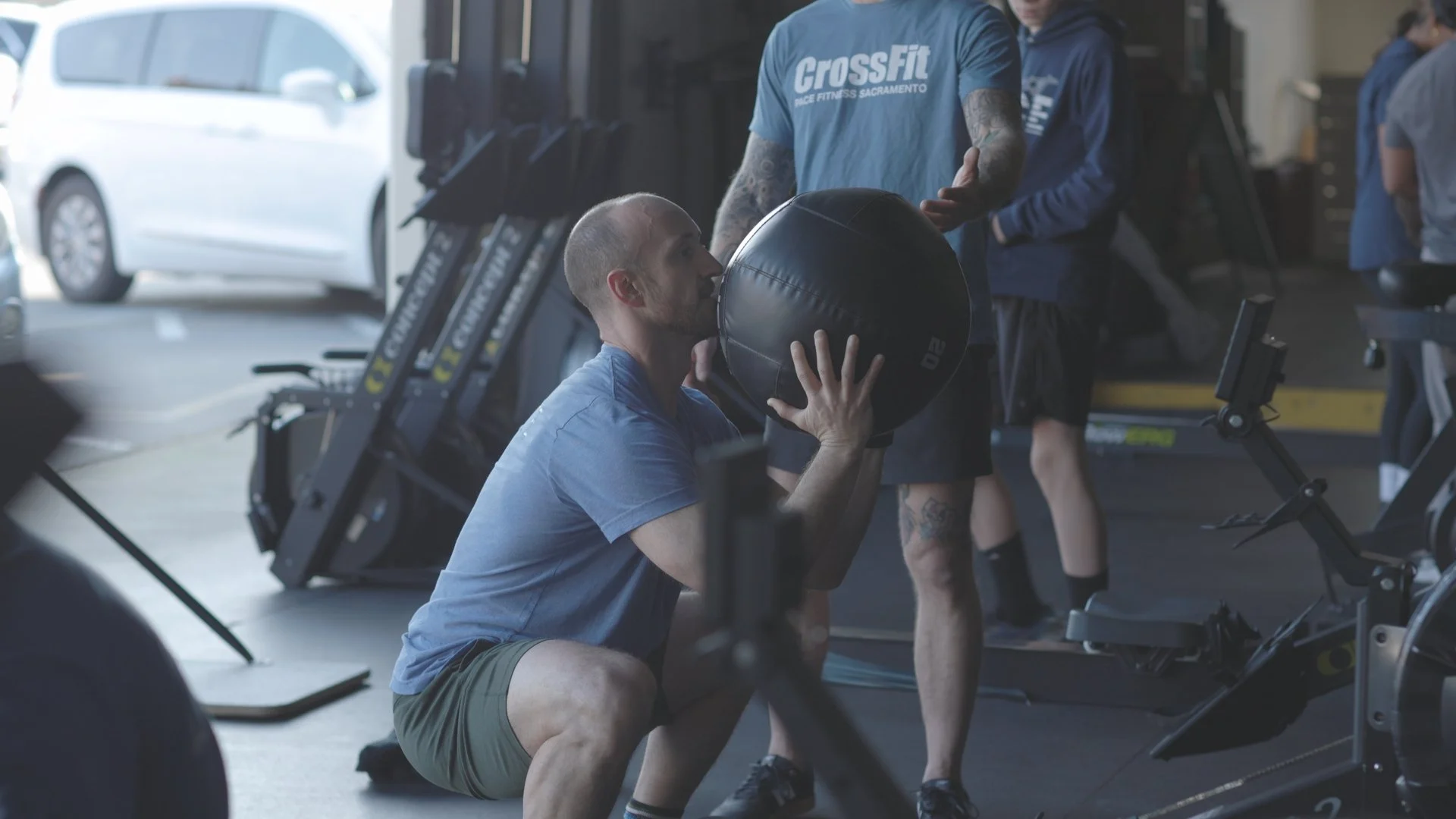
What Does It Mean to Be Fit? A Real Answer for Real People
Fitness is your body's ability to perform physical work across multiple dimensions: strength, endurance, mobility, power, and recovery. It has nothing to do with how you look and everything to do with what your body can actually do.